

Most mornings, it was still dark when Fred, 48, left for his client’s home. Inside, he would greet the 76-year-old former football player, who was now wheelchair-bound after years of foot and back issues. During his visits as a home health aide, Fred would spend the next few hours taking his client to the bathroom, changing his diapers and clothes, and helping him take a shower. When the weather was nice, he would bring his client outside for some fresh air.
Unlike some other home health aides, Fred never flinched when he touched his client’s feet, which had been damaged from playing football years before. He would gently guide them over the pedals of the exercise bike, his client pushing with each and every turn. Fred told Documented that his client often brought up how much he cherished their connection and eagerly looked forward to Fred’s shifts. That is, until earlier this year, when Fred’s work permit expired.
As a Haitian immigrant, Fred legally came to New York in 2023 under the CHNV Parole Program, a Biden-era humanitarian initiative that granted some Haitians permission to live and work in the United States for two years. He asked Documented not to share his last name out of concern for his safety.

Eleven months after coming to the U.S., he applied for and was granted Temporary Protected Status (TPS), which was categorically granted to individuals from several countries facing emergencies, including Haiti. With TPS, he could work multiple jobs, including as a home health aide, and send money home to his family in Haiti amidst escalating violence and instability.
But when Fred tried to renew his TPS work permit in February 2025, he never received a response — a common tactic deployed by the Trump administration in its immigration crackdown. Fred’s permit expired in early 2026 without renewal, forcing him to stop his work caring for elderly patients, leaving his clients vulnerable and throwing his family into financial instability.
Haitian TPS holders around the country now face the same challenges. Last week, the U.S. Supreme Court ruled to end TPS for approximately 350,000 Haitians across the U.S.
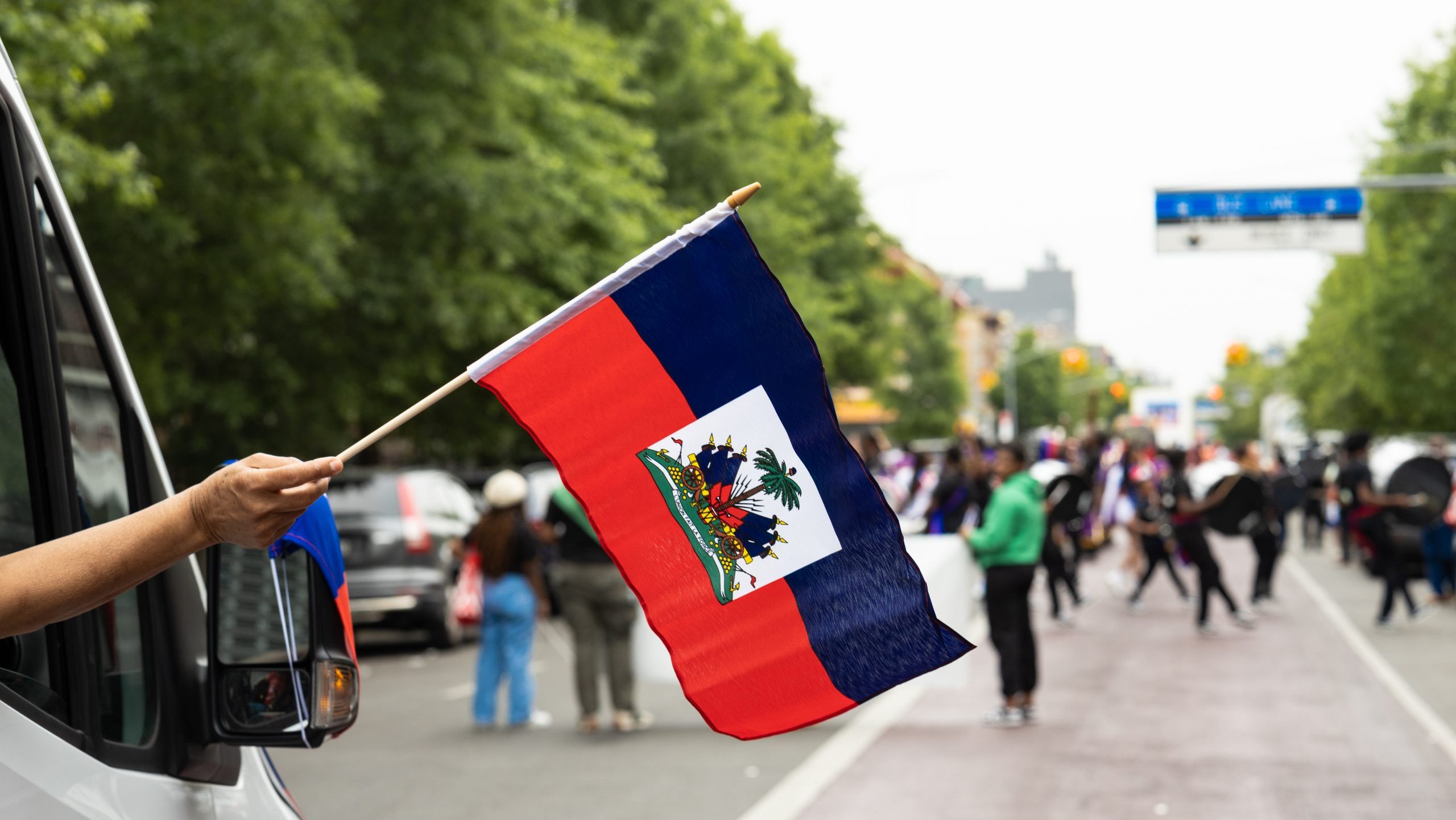
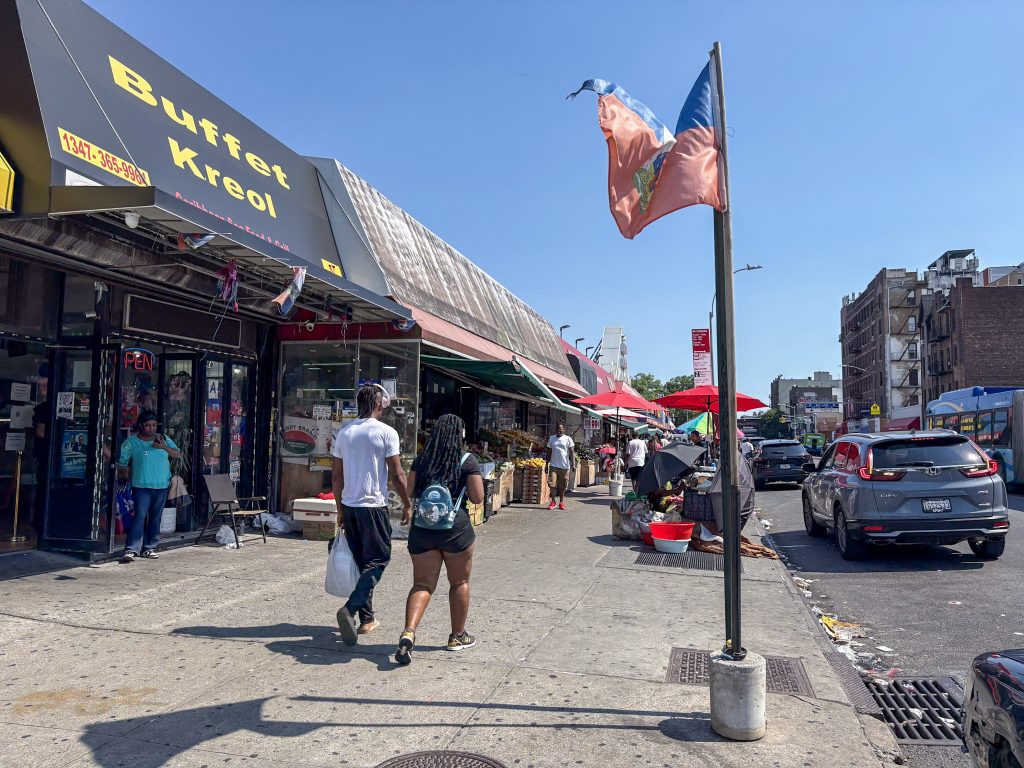
That’s left New York’s Haitian community reeling. About 56,000 Haitians across the state, including at least 5,400 in New York City, rely on TPS, which was first established in 2010 following a devastating earthquake in Haiti. Since then, Haitian nationals with TPS have been able to legally work and live in the U.S., contributing almost $6 billion dollars to the country annually.
Haitian TPS holders in the New York workforce alone contribute around $1.1 billion annually to the city’s economy and $281 million in federal, state, and local taxes, according to a January 2026 report from nonprofit organizations including the Haitian Bridge Alliance and FWD.us. New York Haitian TPS holders work in a diverse array of professions, but they have a strong presence in the medical field. More than 112,000 Haitians work in the U.S. healthcare industry, according to the American Immigration Council.
Thousands of Haitians provide essential care as nurses and nursing assistants across New York’s hospitals; as home health aides to the elderly; and as caregivers in long-term care facilities. For Haitian TPS holders, the thousands of patients who rely on them, and their families in the U.S. and Haiti, the Supreme Court’s ruling brings uncertainty, fear, and panic.
The impacts of the ruling on New York City’s patients, especially the elderly and vulnerable, will be devastating, said Dr. Marie Paul, founder of Haitian Nurses Network and a primary care provider in New York City. “This is going to be COVID 2.0,” she said.
Matthew Liesecki, a migration policy researcher with the Center for Migration Studies of New York, has studied immigrant trends among the city’s healthcare workers. “A decision like this has resonance well beyond the number of people directly impacted and has resonance into communities, families, workplaces, industries,” he said.
The majority of Haitian nationals with TPS also serve as a lifeline to their relatives still in Haiti as the political and safety situation in Haiti has grown increasingly untenable with extreme food insecurity and gang violence.
Since Thursday’s ruling, Yves Vilus, the executive director of Erasmus Neighborhood Federation, a community services nonprofit in Brooklyn’s Little Haiti, has been fielding calls from worried TPS holders, at a loss for what the ruling will mean for them. Vilus has spent decades providing housing, immigration and guidance to Haitian New Yorkers. But this moment brings extraordinary confusion and fear. “To tell you the truth, I didn’t know what to tell them,” Vilus said.
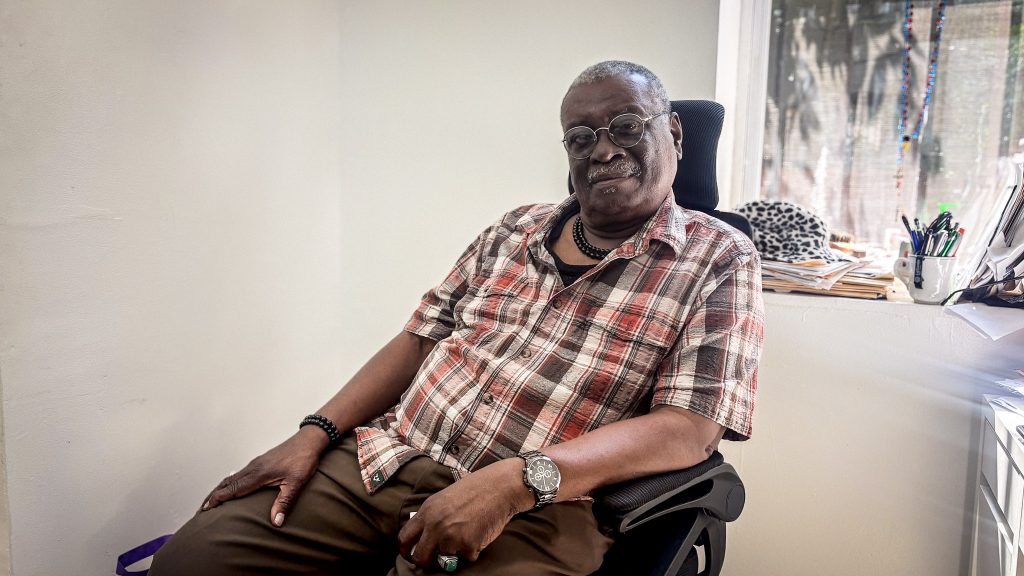
Many Haitian TPS holders in New York work in lower-paying but essential medical fields, even if they attended medical or nursing school in Haiti, Vilus said. Some work shifts of 12 or even 24 hours.
Without TPS, many Haitians in New York have little to return to in their native country, Vilus said. Many sold their possessions in Haiti hoping to have a stronger start in their new country. “Because everyone believes in the American dream,” he said.
While in Haiti, Fred frequently witnessed the country’s violence firsthand. His 14-year-old son was scarred by the regular sound of gunshots, ducking behind the family car and shielding himself with his backpack when Fred would pick him up for school. He said his wife’s business was also ransacked and then set on fire. But through his work as a home health aide, he could send money to his family, still living in Haiti since they weren’t granted permission to legally enter the U.S., for basic needs like housing and school fees.
The separation has been especially hard on Fred’s son.
“When I left Haiti, it was really, really hard on my son,” Fred said in Haitian Creole. “He was crying all the time, and he said, ‘it just feels like there’s a void in my life that can only be filled by seeing you.’ ”
“That’s just a really hard reality,” he added.
In June 2025, DHS declared that Haiti was safe to return to. But the State Department still issues a “Do Not Travel” warning for Haiti.
Advocates predict that TPS holders will lose their legal status and work permits sometime in July, when the Supreme Court ruling is implemented by lower courts.
Fear has also gripped the healthcare industry. Several healthcare providers have reached out to Dr. Cherlie Magny-Normilus, a family nurse practitioner and assistant professor of nursing at New York University, to seek help. “I’ve received many phone calls and text messages and emails within the past few days asking how they’ll be able to keep their doors open,” Magny-Normilus, who is originally from Haiti, told Documented. “Some of their workers are not showing up.”
Paul, the Haitian Nurses Network founder, said the ruling is particularly bitter after the years that immigrant healthcare workers provided essential care through the worst of the pandemic. “During COVID, we knew we were exposed. We knew we could be the next one, but guess what? We showed up every day. Some of us lived in the hospital for months,” she said. “And this is how we are being repaid.”
Healthcare experts predict that the TPS ruling will push New York City’s healthcare system, which is already facing a shortage of nurses, to a breaking point. In January, around 15,000 nurses from three major New York hospital networks went on strike, protesting unsafe staffing ratios that endangered patients. A 2024 study found that nearly half of hospitals report a nursing vacancy rate greater than 10 percent.
“Even with the current numbers that they have, including TPS workers, there is still a nursing shortage,” said Magny-Normilus. “Removing even a small percentage of these people will further impact our ability to provide quality care.”
She added that the positions will not be magically refilled. “There is no replacement pipeline,” she said. “That’s why I’m losing sleep. My concern is, what happens to patients?”
Without the contributions of home health aides and nursing home staffers with TPS, Magny-Normilus suggests family members will have to put aside their careers and other obligations to care for their elderly or sick relatives.
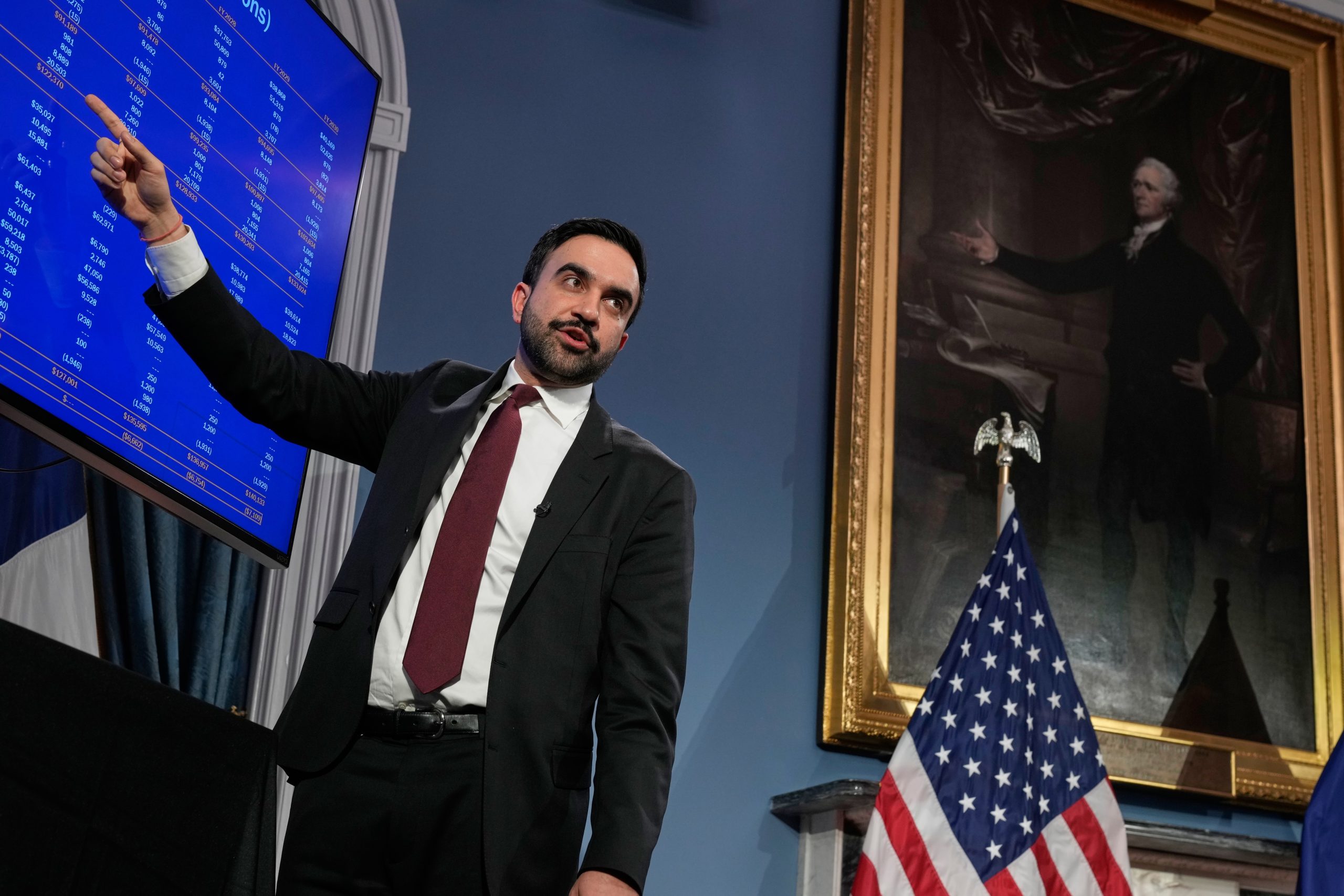
Soon after the Supreme Court ruling last Thursday, New York City Mayor Zohran Mamdani addressed a crowd of New Yorkers, pledging to defend TPS holders. “As healthcare workers, as teachers, as organizers,” he said, “you have not just made your homes in New York City — you have dedicated your lives to New York City.”
While Fred appreciates Mamdani’s solidarity, he says he can’t afford to hold onto hope. Many of his friends and family will imminently lose their ability to work. “We can’t wait and see,” he told Documented. “We’re running out of money to pay our basic monthly expenses.”
To this day, Fred keeps checking on his work permit application, hoping for an approval. He yearns to care for his patient and help him feel happy, healthy, and loved. But when the Trump administration’s dismantling of TPS is implemented, it will be illegal for him to do so.
Still, Fred’s client keeps calling. He says that he really misses Fred. Then, he asks when he’ll be able to see Fred’s face again. Fred’s response is simple. “As soon as I can work,” he tells him, “I’ll come back to take care of you.”